

Promoting the transition to a hydrogen society
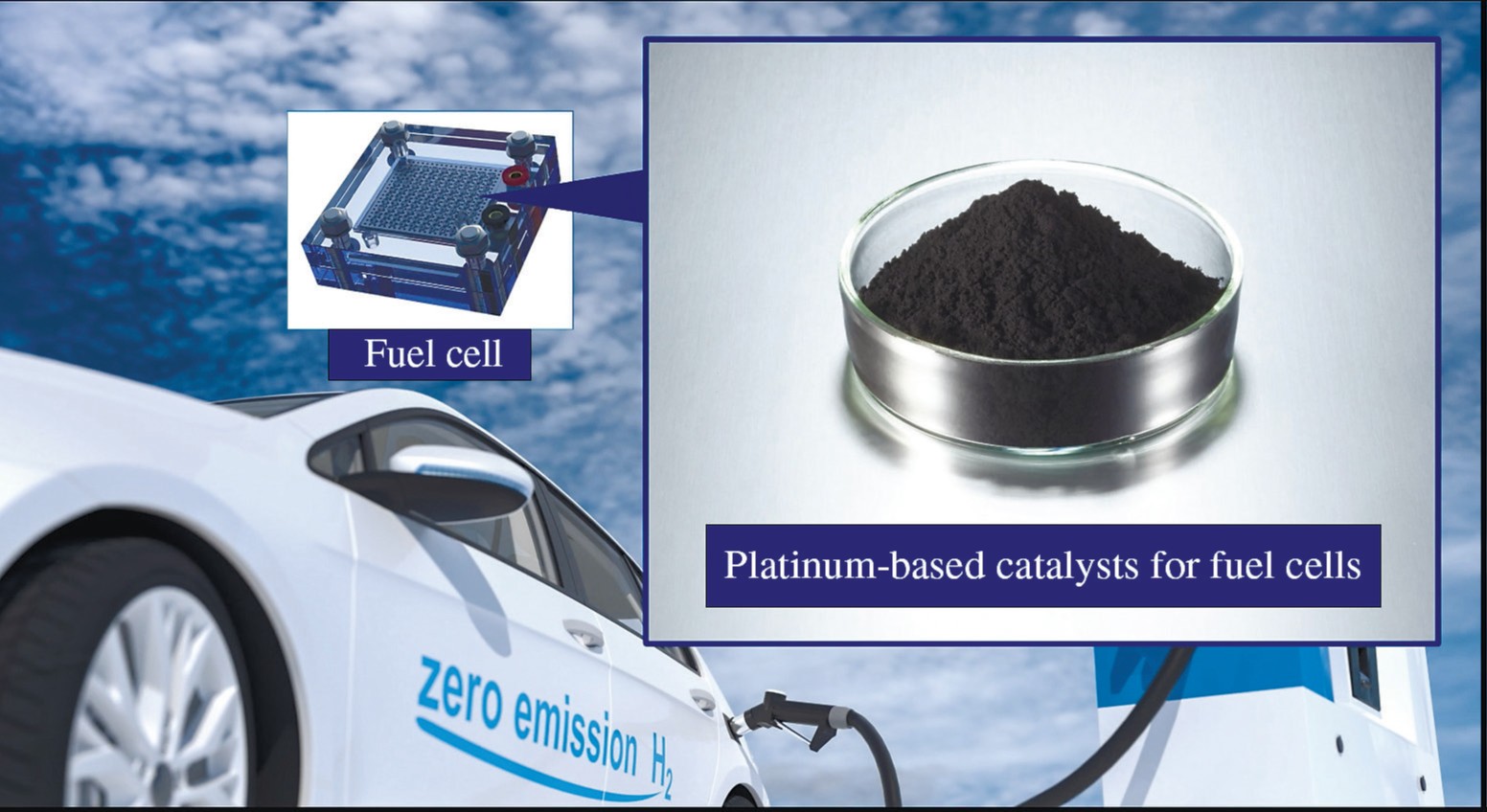
Platinum group metal catalysts are key technologies that support the transition to a hydrogen society. TANAKA PRECIOUS METAL TECHNOLOGIES
Source: February 19, 2025
"Ready to catalyze shift to a hydrogen society" (The Japan Times)
TANAKA PRECIOUS METAL TECHNOLOGIES, a leading company in Japan for fuel cell catalysts, is expanding its production system to support the energy transition toward more environmentally friendly power sources.
Precious metals play an important role in a hydrogen society. For example, platinum-based catalysts are essential for the manufacture of fuel cells. TANAKA PRECIOUS METAL TECHNOLOGIES CO., LTD., which is headquartered in Tokyo, has been developing catalysts for fuel cells since the 1980s. The Group is actively engaged in this area, utilizing the unique properties of precious metals, including platinum, in its efforts to realize a more sustainable world.
Foresight at the highest level
TANAKA PRECIOUS METAL TECHNOLOGIES was founded as a money changer during the Meiji period (1868–1912), 139 years ago. It later began trading platinum and became the first company in Japan to successfully manufacture platinum gauze for catalysts. Today, as a leading company in precious metal products, TANAKA PRECIOUS METAL TECHNOLOGIES has three main pillars: advanced materials for industrial use, asset products such as bullion and coins, and jewelry.
TANAKA PRECIOUS METAL TECHNOLOGIES and its affiliates are located in the United States and Germany, as well as in Singapore, Malaysia, Thailand, China, South Korea, and Taiwan in the Asia region. The Group leverages its advanced technological capabilities and international network to provide comprehensive solutions from the procurement of precious metal materials to development, manufacturing, sales, and recycling.
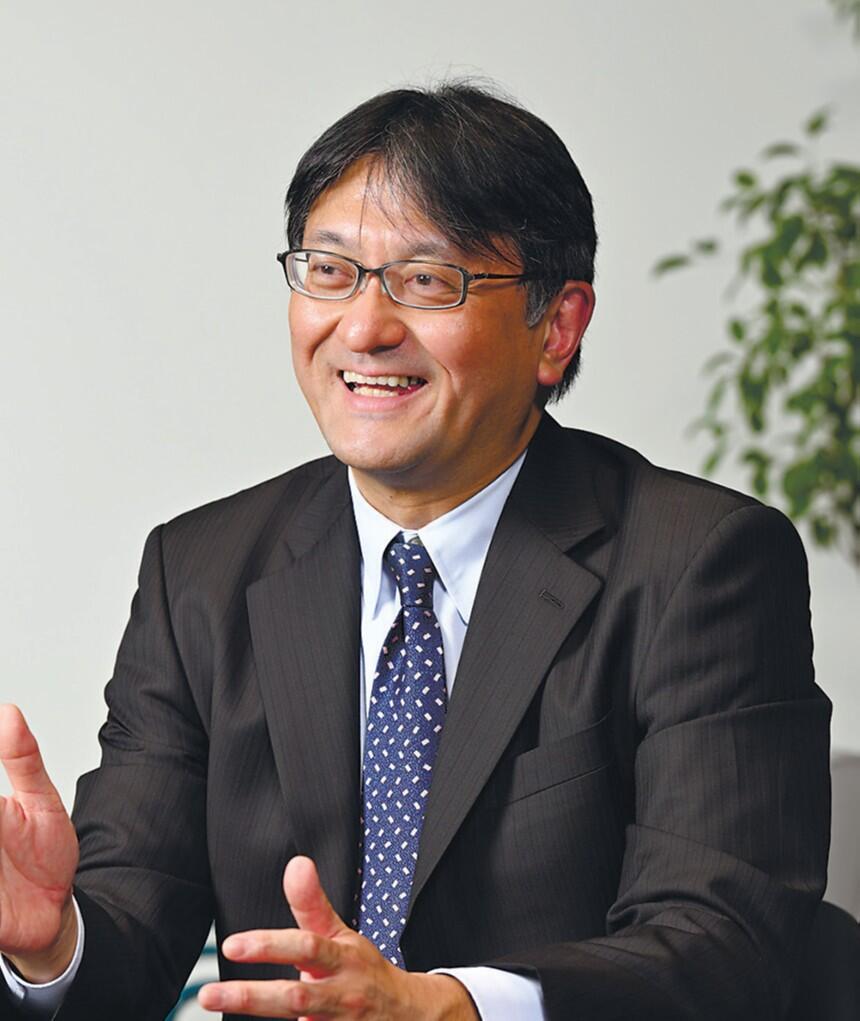
Executive Vice President
TOMOYUKI TADA
TANAKA PRECIOUS METAL TECHNOLOGIES established a development division for fuel cell catalysts about 30 years ago, and opened the Fuel Cell Catalyst Development Center in 2013, advancing the establishment of a mass production system. Furthermore, in response to the growing calls for the realization of a hydrogen society, the Company decided to expand its production capacity in 2018. Currently, the Company's next challenge is to establish production sites overseas, and it plans to start production of electrode catalysts for fuel cells in China for the Chinese market in 2026.
“We started with the manufacturing of materials for catalysts, and later began developing combustion catalysts and fuel cell catalysts,” says Tomoyuki Tada, Vice President and Executive Officer of TANAKA PRECIOUS METAL TECHNOLOGIES, who has been focusing on fuel cell development and hydrogen since early on.
"At the time, investing in the hydrogen field was a risk, but our company foresaw the arrival of a hydrogen society," Tada recalls.
At the same time, during this period, the Scientific Technology Team of TANAKA PRECIOUS METAL TECHNOLOGIES began research on the use of precious metals in pharmaceuticals, including cancer treatment drugs. Supported by the aspiration of "someday becoming a catalyst manufacturer that contributes to people's health and lives," the Company took its first step on a long journey of material development toward a hydrogen society.
Core technologies for achieving clean emissions
Fuel cells, officially known as polymer electrolyte fuel cells (PEFCs), emit only water as a by-product and no pollutants, including carbon dioxide. Platinum-based catalysts are an essential element in supporting the performance of PEFCs.
"A catalyst is a substance that promotes chemical reactions without changing itself," explains Tada. "PEFCs need to react at low temperatures, so a highly active catalyst like platinum is required to promote that reaction. Other catalytic materials, including non-metallic ones, are also being researched, but their performance does not match that of platinum."
TANAKA has established a solid position as Japan's leading company in the field of fuel cell catalysts, and this is attributed to the success of the platinum-ruthenium catalyst developed for ENE-FARM ※1, a fuel cell for home use.
"This development was a turning point that determined our superiority in the Japanese market," Tada recalls. "If we hadn't developed this catalyst, ENE-FARM might never have become a reality. This success also gave us confidence to expand into overseas markets."
According to Mr. Tada, all companies use platinum and carbon as catalysts for fuel cells, but TANAKA PRECIOUS METAL TECHNOLOGIES has an important strength. This is its advanced technology for the uniform dispersion of platinum on carbon.
"We are supporting market growth with a calm, long-term, strategic approach.
It is a leading company with a bird's-eye view of the entire market."
First-mover advantage
Other companies are also following TANAKA PRECIOUS METAL TECHNOLOGIES' dispersion technology, but the Company has strengths as a pioneer.
"Our catalysts are nanoscale powders, which our customers process into layers," Tada explains. "Because we have been a pioneer in manufacturing and selling high-quality catalysts, our customers' processing processes, or 'recipe' as it were, are optimized for the characteristics of our products, making it difficult for them to switch to other suppliers."
The company has promoted technological innovation through collaboration with global developers and proactive technology sharing, a practice now known as "open innovation," and is proactive in providing its know-how to customers.
"We visit our customers directly, provide guidance on catalyst processing methods using appropriate recipes, and allow them to actually experience that our products perform as expected," says Mr. Tada. Through this type of customer support, which is conducted alongside product development, TANAKA PRECIOUS METAL TECHNOLOGIES has deepened communication and received feedback, using this knowledge to further improve its products.
The challenge of a hydrogen society
Tada points out that hydrogen procurement, ensuring sustainability, and the high cost are major challenges to realizing a hydrogen society.
"Hydrogen is a secondary energy source, so unlike fossil fuels such as petroleum, it needs to be produced from some kind of raw material," says Tada. "Producing hydrogen using natural gas or fossil fuels as raw materials, or generating hydrogen by electrolyzing water, requires enormous costs and time. Similarly, procuring hydrogen from overseas is a huge burden. Furthermore, the construction of hydrogen stations and the hydrogen supply infrastructure to them is still not fully established."
One of the major challenges is establishing how to transition from "grey hydrogen," which is derived from fossil fuels and emits carbon dioxide, to "green hydrogen," which is derived from renewable energy sources.
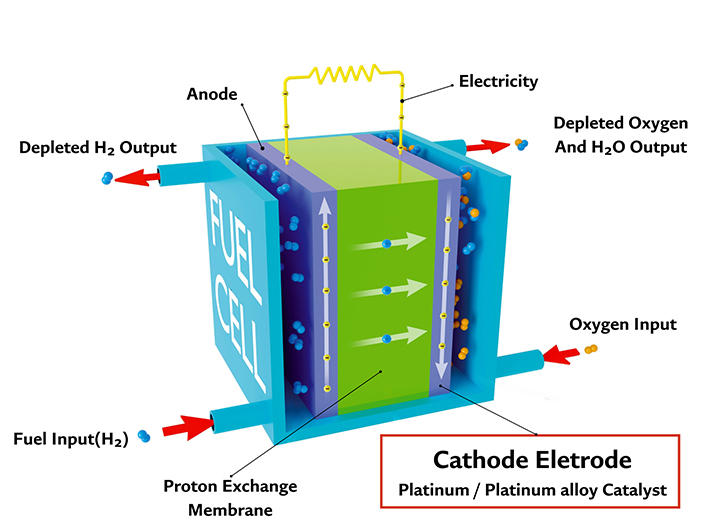
The simplest solution is polymer electrolyte membrane water electrolysis (PEMWE), but it is also one of the most expensive.
“We are also developing electrode catalysts for PEMWE,” says Mr. Tada. “However, this process requires the use of iridium, a precious metal. Iridium is a limited resource and has a high price of around ¥20,000 per gram ※2, so we need to consider ways to use it efficiently.”
TANAKA PRECIOUS METAL TECHNOLOGIES is introducing a 500 kW-class fuel cell system at its main precious metal recycling site in Hiratsuka, Kanagawa Prefecture, to demonstrate the potential of hydrogen energy. The system is scheduled to start operating in 2026, and will be one of the largest fuel cell systems for private use in Japan. It is expected to supply 25% of the power consumed at the recycling site.
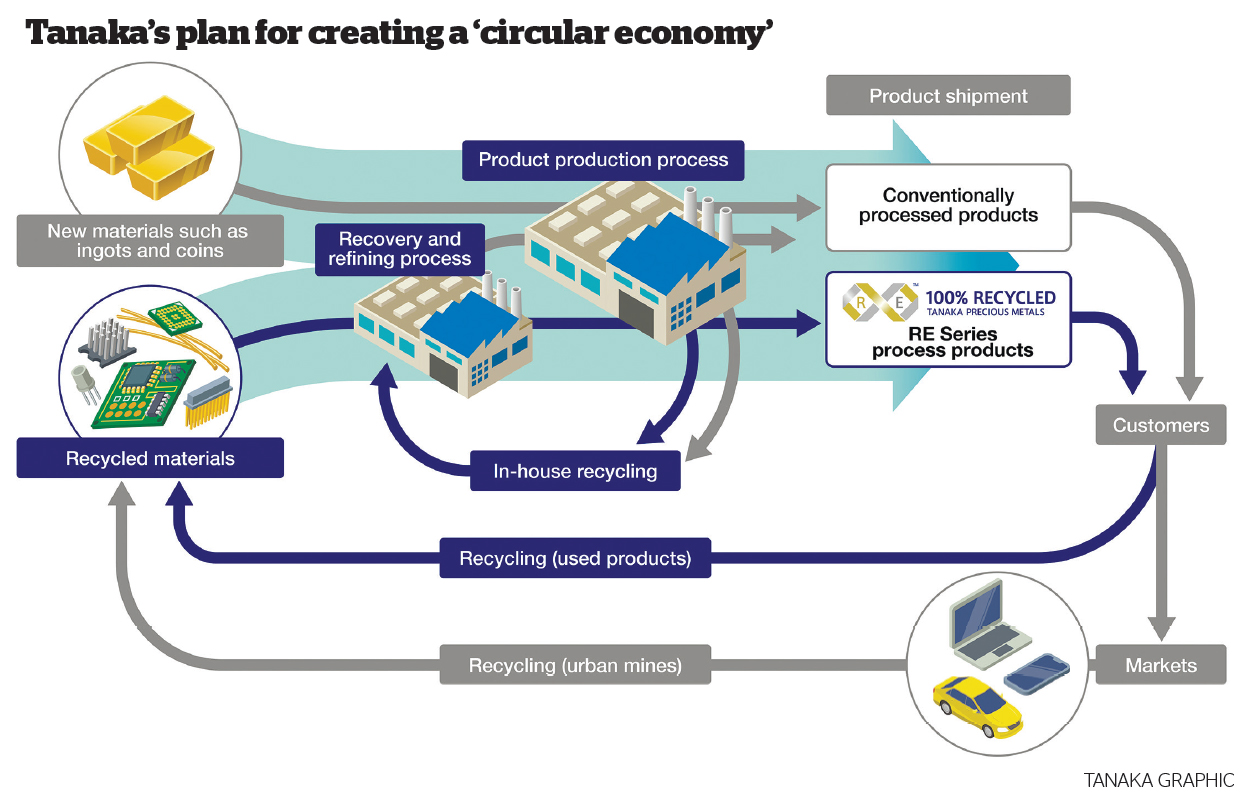
As precious metals are a rare resource, the recycling business has long been at the core of TANAKA PRECIOUS METAL TECHNOLOGIES' operations. The Company aims to globally establish a resource recycling system that covers all stages from procurement to manufacturing, sales, and recycling in order to ensure a stable supply of precious metals and is also planning to further strengthen its procurement relationships with mines.
In addition, TANAKA PRECIOUS METAL TECHNOLOGIES recovers precious metals from scrap, used products, and various types of equipment, and carries out recycling at its own factories. Furthermore, to reduce the amount of platinum used and costs, the Company is making continuous efforts to improve product performance, durability, and dispersion technology.
Resource development that paves the way to the future
TANAKA PRECIOUS METAL TECHNOLOGIES has always taken a broad perspective in material development and research, and is not swayed by temporary trends or short-term tendencies in the industry.
"We will not be influenced by the major moves of other companies," says Tada. "We support market growth with a strategic, long-term approach based on rational judgment. We can do this because we are a leading company with a bird's-eye view of the entire market. We will maintain our unwavering determination until a hydrogen society is realized."
Furthermore, Tada emphasized, "We fully understand that establishing a hydrogen society will not be an easy path," and "even if it takes 10, 20, or even 30 years to achieve our goal, we are determined and prepared to fully invest the time necessary for research and development."
※1: ENE FARM is a registered trademark of Tokyo Gas, Osaka Gas Co., Ltd., and ENEOS Corporation.
※2: TANAKA as of March 2025.
This article is provided by TANAKA PRECIOUS METAL TECHNOLOGIES CO., LTD.
https://tanaka-preciousmetals.com/en/
How was this article?
If you found this helpful, please share it.


