

〔Catalysts〕Recycling is what we need now
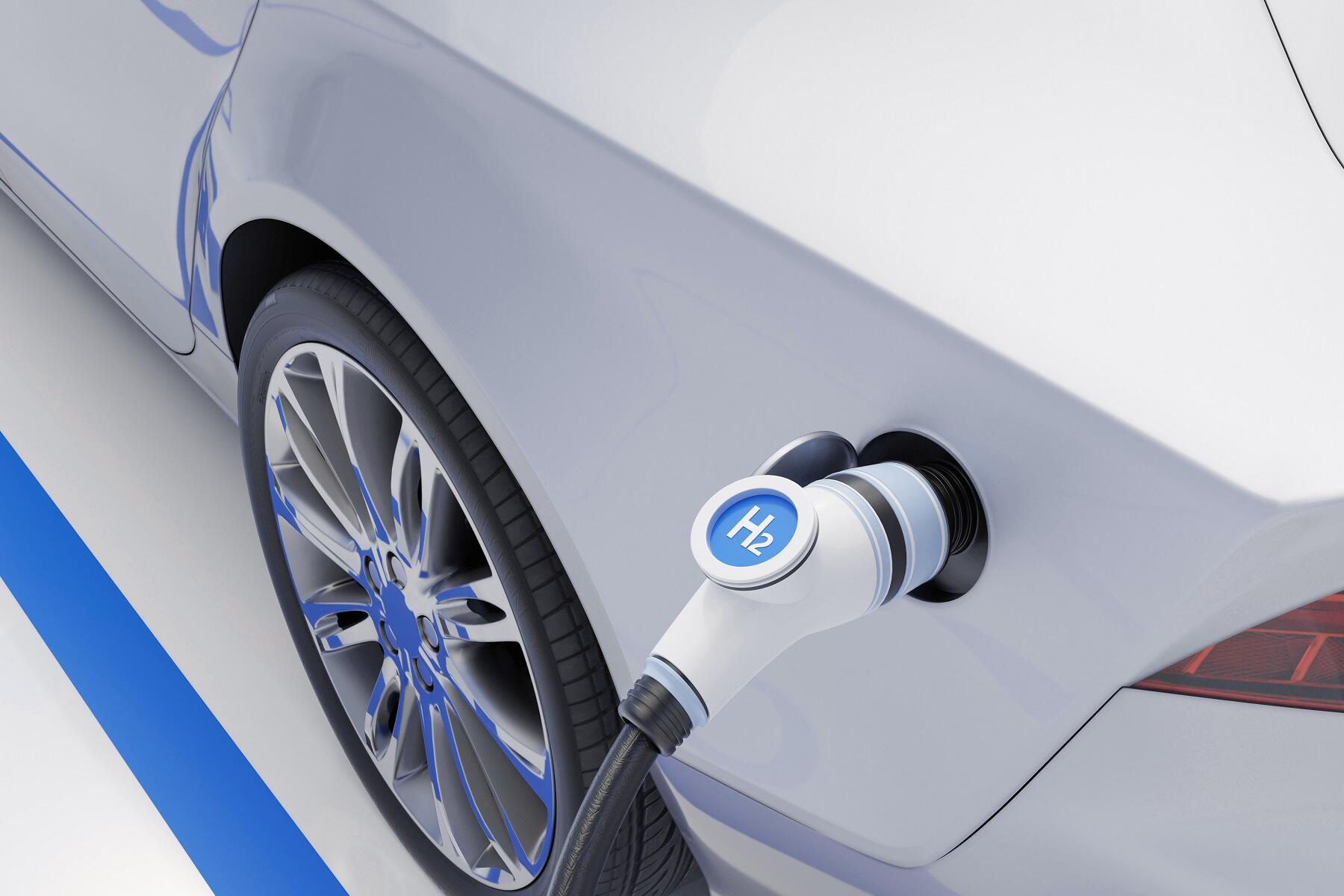
Fuel cell vehicles generate the electric current they need. Hydrogen refueling is carried out quickly, just like refueling traditional internal combustion engine vehicles.
photo: Shutterstock 1871606383
Industrieanzeiger June 22, 2021
TANAKA's development of catalyst membranes can quadruple the durability of electrolyte membranes in hydrogen fuel cells. The Group's precious metals are also used in exhaust gas purification catalysts. By pursuing greater sustainability, TANA has already sourced 25% to 30% of its required platinum and other precious metals through the recycling of catalysts. Targets for the next few years are clearly defined, and the recycling rate is expected to rise. - Text: Bernd Müller, Freelance Technical Writer, residing in Meckenheim near Bonn
A sustainable future cannot be imagined without catalysts. The hydrogen economy, which is expected to play a significant role in this regard, cannot be realized without catalysts either. As is well known, fuel cells convert hydrogen into electrical energy. In this process, hydrogen is combusted with oxygen from the air to produce water. This generates energy, which is then supplied to electric motors to drive vehicles. The chemical reactions take place on membranes coated with catalysts. Although significant progress has been made in recent years, there are still challenges that need to be overcome. One of these is the durability of the electrolyte membranes used in fuel cells with polymer electrolyte membranes.
“Reduce” the causes of deterioration and “improve” durability.
TANAKA has addressed this issue with a platinum-cobalt alloy catalyst for carbon catalysts/nanoparticles that uses less precious metals and reduces the generation of hydrogen peroxide, which can cause the degradation of electrolyte membranes, by half. By using this catalyst in fuel cells, the durability of electrolyte membranes can be increased to more than four times that of those using commercially available platinum hydrogen electrode catalysts.
Honda has decided to adopt TANAKA's catalyst for its fuel cell vehicle, CLARITY, after evaluating its performance and durability.
Toru Shoji, Managing Executive Officer, Director, President of the New Business Company of TANAKA PRECIOUS METAL TECHNOLOGIES CO., LTD. at the time of the interview, stated, "We have already invested €30 million with the aim of accelerating research and development related to this new catalyst" and has expanded its production and shipping building with a site area of 3,000 m² and increased its production capacity sevenfold.
Toward the Future
The precious metals specialist does not just manufacture catalysts but also serves as a development partner for several companies. The company sees great potential in Germany and Europe in particular.
"We want to support companies at the catalyst development stage," says Ken Yuasa, managing director of TANAKA International (Europe) GmbH.
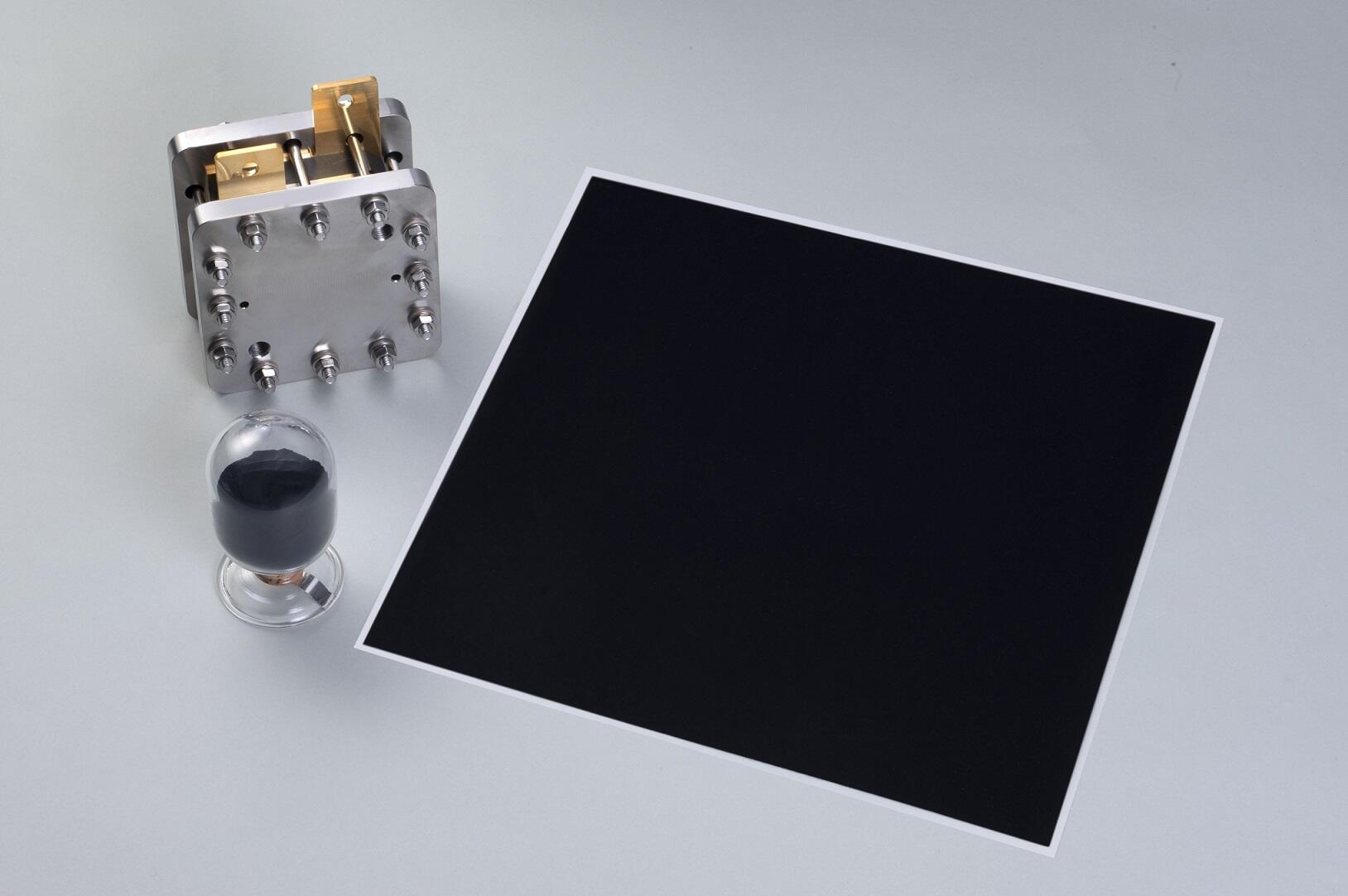
To demonstrate the potential and prospects of fuel cells and a hydrogen society, TANAKA has launched a new initiative to promote research and development into water electrolysis. To produce hydrogen, the opposite of a fuel cell is required: an electrolyzer. An electrolyzer splits water into hydrogen and oxygen, working in the exact opposite direction to a fuel cell. Water electrolysis is carried out using a catalyst-coated membrane (CCM). As part of this new initiative, the company has begun providing samples of CCM for evaluating water electrolysis electrode catalysts.
Exhaust gas purification will continue to be an issue
Certainly, electric vehicles and fuel cell vehicles are the ones that represent the future. However, internal combustion engine vehicles will continue to be manufactured for at least the next ten years—many of them as hybrid vehicles—so that exhaust gas purification will remain an issue, especially in this country (Germany), where regulations are becoming increasingly stringent.
As a result, the demand for platinum, palladium, and rhodium, the precious metals used in catalysts, is increasing exponentially. This is because there are no substitutes for these materials. As a result, there have been repeated instances of intense price fluctuations in raw material transactions. In particular, for platinum and palladium, there are markets where prices are partially determined by speculators trading derivatives. This is a problem for manufacturers, but it does not stop there; it can irritate all stakeholders and lead to supply constraints. This is likely to be critical in that it can be a factor that delays the transition to sustainable technologies.
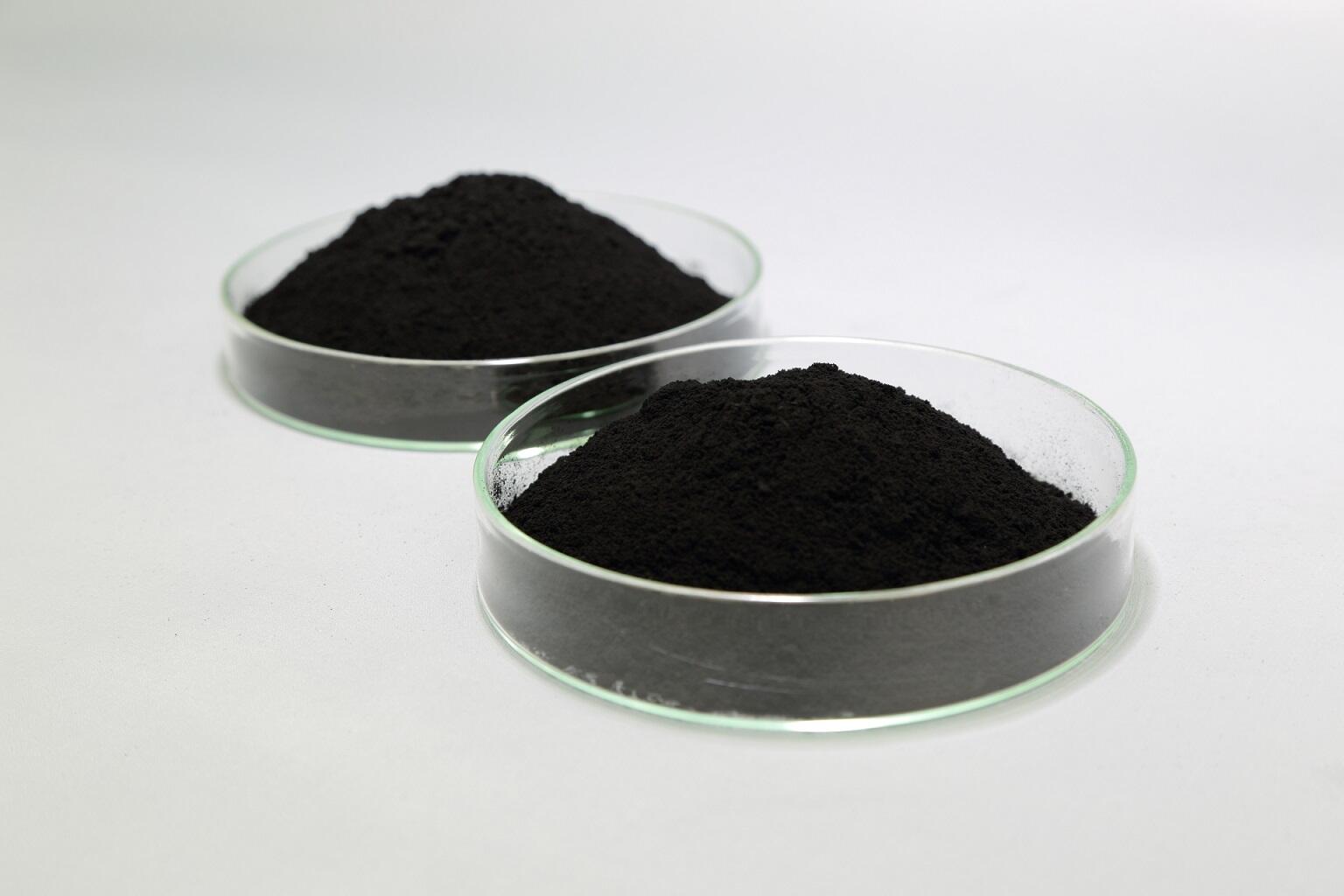
TANAKA recycles the precious metals contained in catalysts and today covers 25 to 30% of the required amount.
Recycling of catalysts is attracting attention
One way to cope with severe price fluctuations is recycling. TANAKA has already entered the recycling business for exhaust gas purification catalysts in the automotive sector since the late 1980s. The company began this business around the time when the first car equipped with a catalyst reached the end of its lifespan.
In theory, it is possible to recover all used precious metals through the recycling of catalysts. This is because while catalysts accelerate chemical reactions, they are not consumed in the process. The processing of the three precious metals mentioned above is more expensive than that of gold and silver because they exist in only very small amounts in catalysts. In these recovery processes, the crushed materials are melted, and then the precious metals are adsorbed onto copper recovery agents, from which the copper is removed again.
TANAKA currently procures 25% to 30% of its required amount through the recovery of catalysts. This ratio is expected to be increased over the next few years, and the company considers 40% to 50% to be a realistic figure. "Initially, we started the recycling business to avoid being affected by fluctuations in market prices—" said Andrew Farry, Manager of TANAKA's Business Strategy Division. "Today, this not only shows that we are developing technologies that prevent waste of resources, but also that we are sustainably operating this business."
Inquiry
TTanaka Kikinzoku International (Europe) GmbH
Kirchnerstr. 6
60311 Frankfurt/M.
How was this article?
If you found this helpful, please share it.


