

Factors Encouraging Precious Metal Recycling: From an Individual Perspective
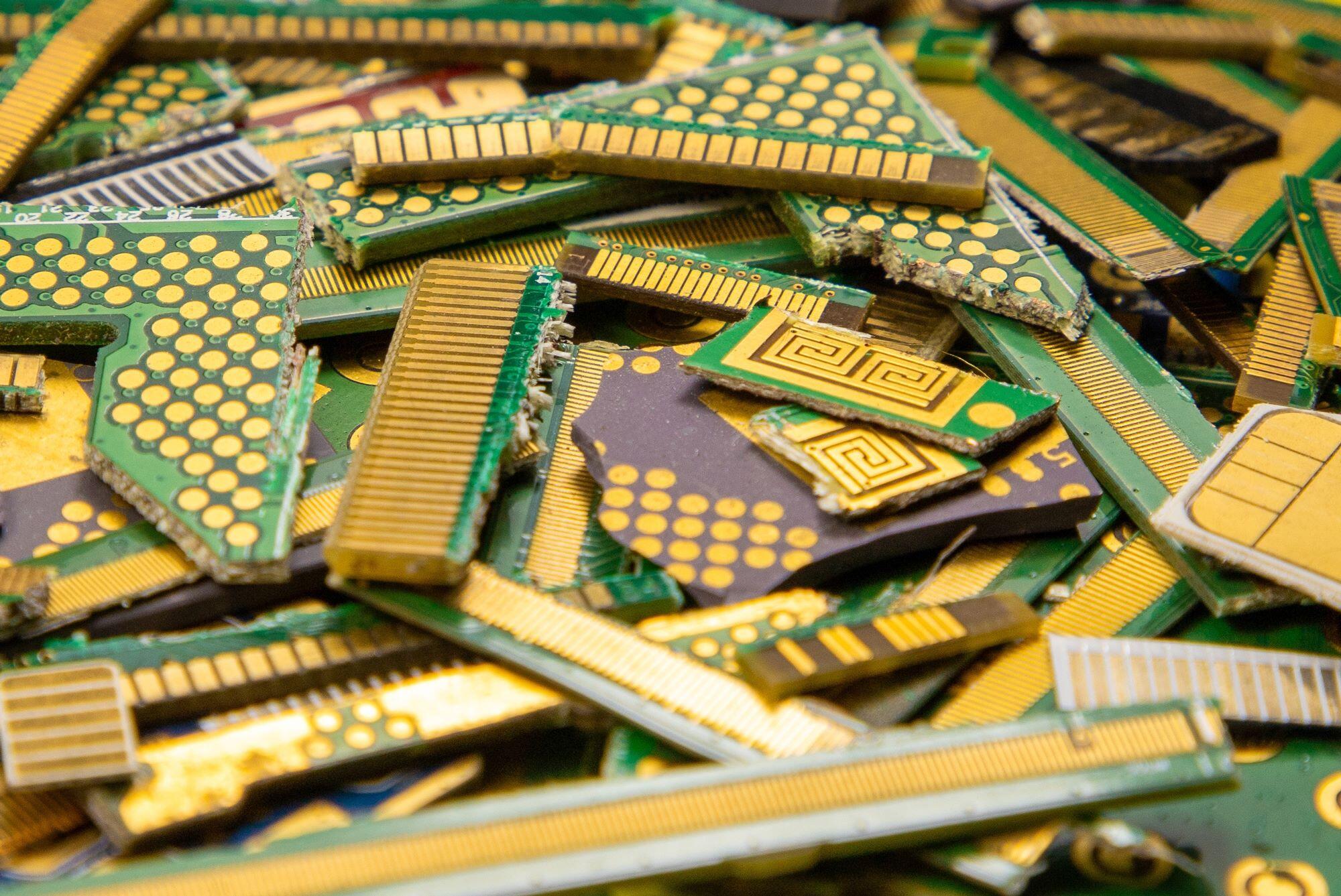
Sebastian_Photography/Shutterstock
by Bodo Albrecht E-Scrap News
This article was published in the 2024 edition of E-Scrap News. To access all printed content, please subscribe now.
In order to meet the growing demand for precious metals used in their products, industries worldwide will have to increasingly rely on recycling at least by the time they reach a certain point. One of the very simple and unavoidable reasons for this is that some of the world's major mining operations are at advanced stages of their life cycle.
For example, mines in South Africa have already been excavated to depths of 2 to 3 kilometers. Precious metals are finite resources, and considering that dependence on precious metals in various products is increasing today, there is a possibility that gold, iridium, osmium, palladium, platinum, rhodium, ruthenium, and/or silver may become scarce within the next few decades. New resources are being explored, but the costs are high.
However, that is not the only reason. There are many other factors that are indicative of changes in the environment surrounding precious metals. All of these suggest that the industrial sector is already aware of this and should further promote the recycling and recovery of precious metals.
Environmental Factors
The International Platinum Group Metals Association (IPA), a non-profit organization representing major mining, production, and processing companies in the platinum, palladium, iridium, rhodium, osmium, and ruthenium industries, conducted two surveys. Member companies were surveyed on the carbon emissions during the recycling of platinum group metals (PGM) produced from the same ores mined mainly in Russia, South Africa, and North America. The results of the first survey were so shocking that IPA decided to conduct a more precise survey again. The second survey yielded even more dramatic results. Specifically, during recycling, carbon emissions of precious metals can be reduced by over 90% compared to mining.
"In order to minimize losses from recovery and ensure that PGM is reused without leaving a single gram behind, effective strategies must be established for managing PGM-containing equipment at the end of its life," IPA later wrote. "In addition, there is room for improvement in the recovery of these metals from existing applications to increase the supply of recycled metals. To make the most of recycling, policies for improving the recovery of PGM-containing equipment at the end of their life are essential."
Even when considering the significant energy input required for some recycling processes adopted worldwide, the proportion of carbon dioxide emissions from recycling processes is minimal compared to the use of heavy machinery and equipment during precious metal mining.
Furthermore, recycling is a more efficient way of obtaining resources. Depending on the ore deposit, it is generally considered that about 5 grams of gold can be obtained from about 1 ton of gold ore. In contrast, up to 280 grams of gold can be recovered from 1 ton of mobile phones (about 10,000 units).
How was this article?
If you found this helpful, please share it.


