

Precious Metals: Latest Medical Trends
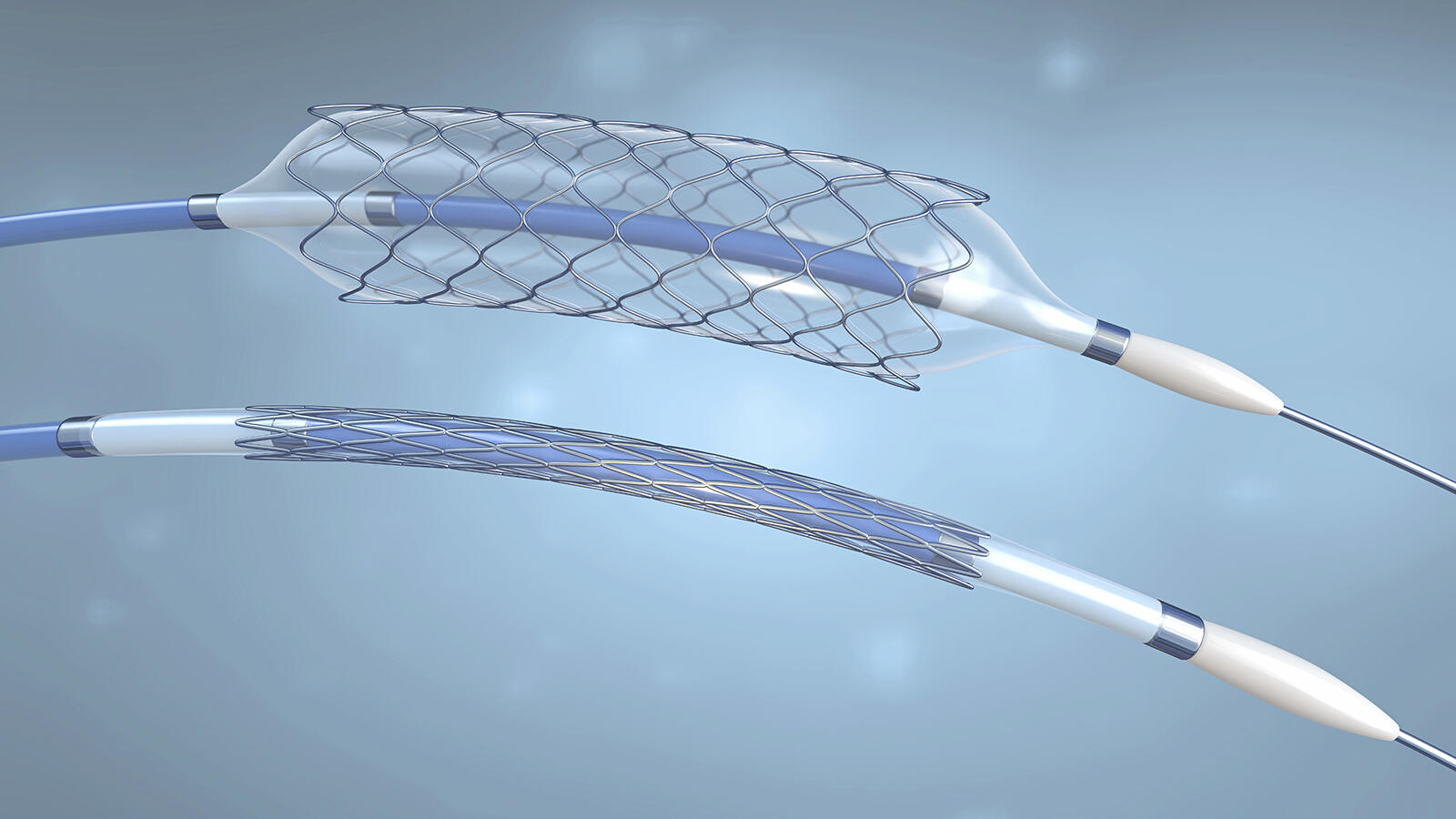
Source: today's Medical Developments
Date: February 20, 2025
Precious Metals: Understand and realize the key characteristics of precious metals with the aim of applying them to innovative medical devices and implants.
Materials and components manufactured using high-quality precious metals are playing an increasingly important role in medical devices used in various medical procedures, such as cardiovascular, peripheral vascular, neurovascular, and mammography. Below is an overview of the characteristics of precious metals and their expected roles in the medical industry.
biocompatibility
Medical devices that come into contact with human tissues and body fluids must meet certain characteristics, such as safety, non-toxicity, and non-irritation. At the same time, they must not cause postoperative complications, such as blood coagulation and inflammation. For this reason, platinum, iridium, and gold—precious metals with proven biocompatibility—are often the preferred choice for medical devices, including various cardiovascular, dental, and orthopedic implants.
X-ray Absorption
The degree of X-ray radiopacity of precious metals varies significantly depending on their type. This difference greatly influences their suitability as components of devices that require visualization under X-ray images, such as electrodes and sensors.
Additional Considerations
The precious metals industry is adapting to meet the needs of the medical device industry. For example, ISO 13485 "Medical devices - Quality management systems - Requirements for regulatory purposes" is an important standard in this field and defines a widely cited framework for the consistent design, development, manufacturing, and provision of medical devices that are safe for specific uses.
As the medical industry continues to shift toward more minimally invasive and non-invasive procedures and remote and long-term patient monitoring, the major inherent characteristics of precious metals and ongoing innovation in their development hold the potential to further expand the role of precious metals in medical devices.
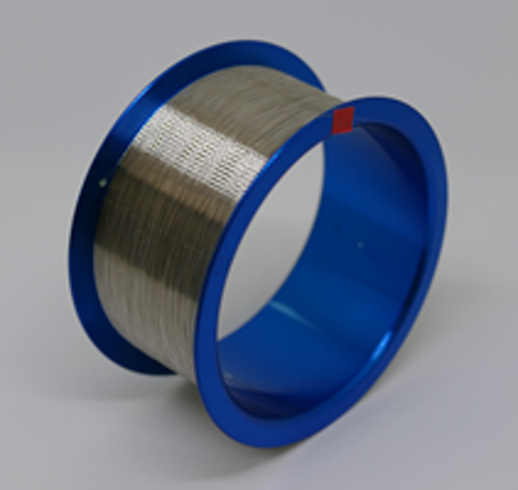
This article was originally published in "Today's Medical Developments." For more information, please click here.
Read more (today's Medical Developments)
How was this article?
If you found this helpful, please share it.


