

The Application and Value of Precious Metals for Surgeries and Treatments that are Gentle on the Body
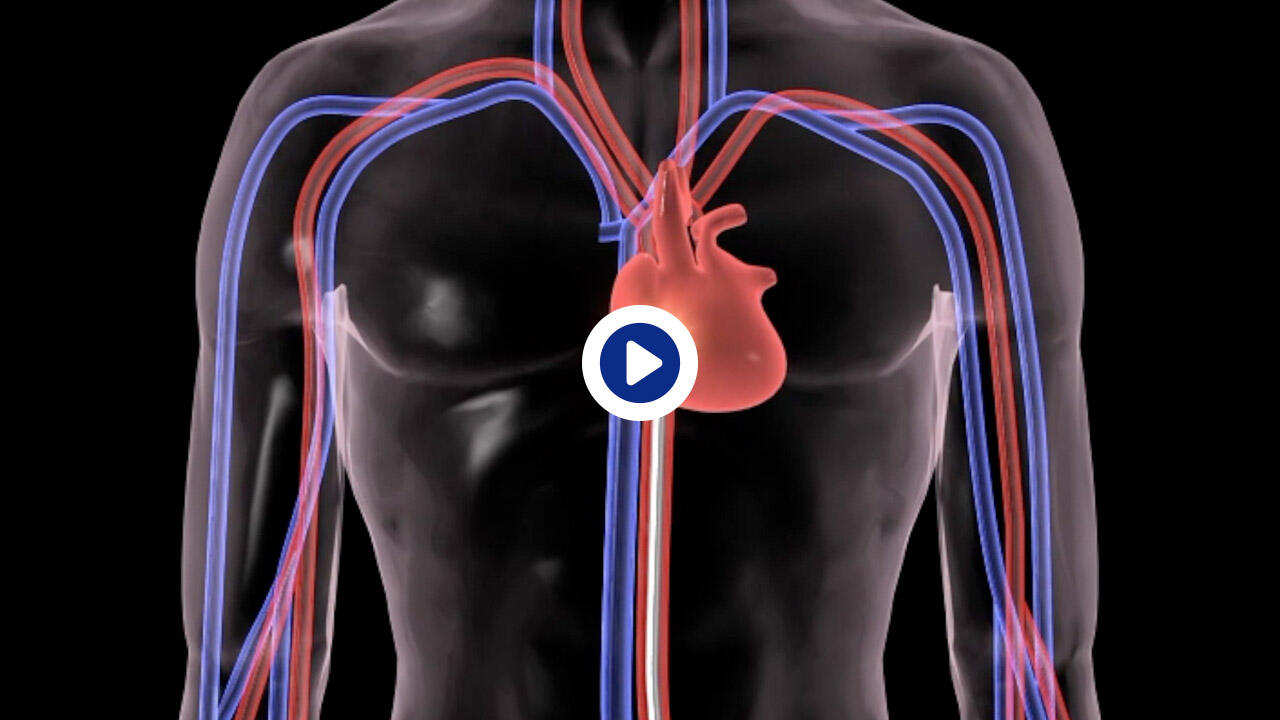
The most pressing need in the medical field today is the development of new medical devices.
The key to developing medical devices is collaboration between the medical and technological fields.
We believe that the properties of precious metals can be utilized as materials for new medical devices.
We are working on developing precious metal materials for use in the latest medical devices.
Researchers and Developers
Professor, School of Medicine, Tokai University
Director, Tokai University Hachioji Hospital
Visiting Professor, Faculty of Science and Technology, Keio University
General Manager of Medical Device Promotion Department
TANAKA PRECIOUS METAL TECHNOLOGIES
In the medical field, surgeries and treatments with smaller wounds (i.e., minimally invasive and non-invasive) that are gentle on the body and have less burden are becoming a trend. Although traditional open surgery may be necessary when large incisions are unavoidable, this type of surgery may not be applicable to the elderly or those with low physical strength. Laparoscopic, thoracoscopic, and catheter-based surgeries that are gentle on the body are becoming common in modern medical care.
In catheter-based treatment, only a 1 mm incision is made in the skin under local anesthesia, and a thin wire called a guide wire is inserted into the blood vessel. Treatment devices can then be delivered to the affected area by following this wire, allowing for the injection of medication and the placement of treatment devices. The treatment time is relatively short, and the burden on the body is minimal. As technology has evolved, treatments for widening blood vessels narrowed due to arteriosclerosis, such as myocardial infarction and atherosclerosis of the lower limbs, and for filling bulges (aneurysms) in cerebral blood vessels have been developed without the need for major surgery. The precious metals used in these treatments must first be safe and have no hypersensitive reactions in the body, and they should also be compatible with the body. In addition, since treatment instruments are advanced to the affected area while viewing images from X-ray fluoroscopy, it is also important for them to have good visibility under X-ray fluoroscopy.
Platinum, gold, and iridium are considered to be the most suitable
The use of precious metals in medical settings is increasing. Surgical procedures are moving towards minimally invasive or non-invasive methods that minimize damage to the human body. In the treatment of myocardial infarction and heart surgery, a catheter is inserted into the blood vessels, and a metal wire mesh treatment device called a "stent" is placed in the narrowed blood vessels. In cases of atherosclerosis, a metal filling called a coil is used inside an aneurysm that has bulged like a lump to prevent aneurysm rupture. These are examples of body-friendly medical technologies that are being developed to avoid critical situations that can lead to death.
Professor Mitsunori Hasebe of the Department of Medical Sciences, School of Medicine, Tokai University, says, "As medical devices that remain in the body for long periods of time, platinum, gold, iridium, and their alloys have excellent biocompatibility."
Precious metals are resistant to acids and alkalis and are not prone to oxidation. For this reason, they are often used in electronic components and semiconductor connections. The amount of gold used in printed circuit boards of discarded electronic devices is particularly high, to the extent that they are referred to as "urban mines." Precious metals are often used in cases where metals must be retained in the human body, such as artificial hearts. This is because the human body contains strong acids, such as gastric acid, as well as substances that process food, and blood vessels contain many oxidizing agents, making it unsuitable for general metals.
Catheter surgery while viewing X-ray images (fluoroscopy)
Professor Hasebe is an expert in radiological imaging who uses X-rays and a specialist in interventional radiology (IVR: Interventional Radiology), which uses catheters for minimally invasive vascular treatment. Interventional radiology is a treatment method in which a thin tube called a guide wire, which has a diameter of less than 1 mm, is used inside blood vessels, and a tube called a catheter is inserted along it. Through this catheter, therapeutic catheters and therapeutic instruments are introduced. For example, in cases where blood vessels have narrowed due to atherosclerosis caused by cholesterol, a therapeutic device called a balloon catheter is inserted, and the balloon is inflated to widen the blood vessel. Alternatively, a metal mesh-like therapeutic device (stent) is expanded and left in place. Traditionally, drug therapy or surgical procedures to bypass the coronary arteries have been the mainstream. Conventional surgery can cause physical damage, making it unsuitable for elderly patients or those with low physical strength. Therefore, interventional radiology has been widely adopted as a treatment method that minimizes physical damage.
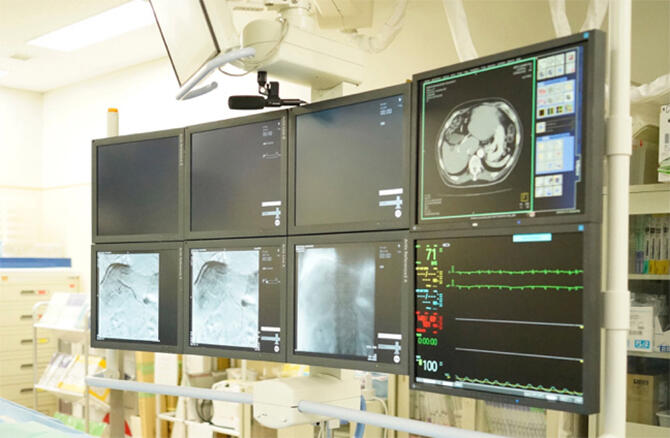
In particular, minimally invasive treatment methods that minimize damage to the body have become a trend in surgical procedures, especially in recent years, resulting in reduced burden on patients. At Tokai University Hospital and Hachioji Hospital, endovascular therapy (surgery under local anesthesia) and other image-guided therapies (IVR) have shortened surgery times, reduced burdens, and shortened hospital stays.
When performing endovascular therapy, treatment is conducted under X-ray fluoroscopy while checking the monitor screen to confirm the position of the catheter. Small precious metal devices are attached to the front and back of the catheter and balloon, and when the human body is examined using X-rays, the precious metal parts do not allow X-rays to pass through. Therefore, the precious metal device serves as a marker. Even a few millimeters of operational error can lead to serious complications and side effects, making the role of precious metals as markers extremely significant. Currently, all catheters and medical devices with advanced functions use precious metal markers, highlighting the enormous role that precious metals play. While observing these markers, the position of the balloon is confirmed, and the position of the stent is adjusted within the body to the millimeter to expand narrowed blood vessels.
Doctor of Medicine and Doctor of Engineering
Professor Hasebe's strength lies in his PhD in materials engineering as well as his medical degree. Because he performs surgery himself, he is able to identify material-related issues that only a physician can detect. After earning his doctorate (PhD in Medicine) from his alma mater, Keio University's School of Medicine, he also earned a PhD in Engineering from the Keio University School of Science and Technology, where he currently serves as a visiting professor. He also studied abroad at Harvard Medical School (Brigham and Women's Hospital) and worked with engineering researchers at MIT (Massachusetts Institute of Technology). During this time, he felt that the latest advances in medicine could only advance through the use of engineering (technology). This is why, upon returning to Japan, he worked tirelessly to seek out medical-engineering collaboration. Since then, he has run a medical-engineering collaboration team with Professor Tetsuya Suzuki (currently Director of the Keio University Research Center for Advanced Science and Technology (KLL)) for over 15 years, achieving significant results in the field of medical-engineering collaboration. Graduates of this medical engineering collaboration team have expanded their fields of activity, working at overseas research laboratories, domestic universities, the Japan Aerospace Exploration Agency (JAXA), JR Central and JR East, and other leading companies. More recently, they have become presidents and researchers involved in successful domestic medical venture start-ups.
Professor Ito accurately grasps the needs of doctors and medical professionals in the material development process, allowing him to make appropriate requests even when it comes to developing medical devices that can actually be used on patients. However, the majority of highly functional implantable medical devices are made overseas, and even if they are not optimal for Japanese patients, specifications cannot be changed immediately. In order to bring devices that meet clinical needs to market as quickly as possible, it is necessary to develop devices using domestic technology. Moreover, there is a 600 billion yen trade surplus between imports and exports of medical devices, and to balance this, he wanted to create devices based on domestic technology. He says that medical devices are a market expected to grow globally in the future. While the professor is committed to domestic technology, he also believes that in order to contribute to the lives of many people, it should be widely distributed around the world, regardless of whether it is made by domestic or international companies.
TANAKA says that the fact that it not only procures materials but also possesses the micro-processing technology to create devices has led to industry-academia collaboration in research and development.
Precious metal particles in markers
The professor's endovascular therapy (IVR: image-guided therapy) involves dilating or blocking blood vessels while viewing images. Blocked arteries in the heart due to arteriosclerosis can lead to myocardial infarction and angina, while blocked arteries in the legs can cause walking difficulties, pain, and even leg rot. In these cases, endovascular therapy is performed to widen the blood vessels. Conversely, if arteriosclerosis causes a bulge in the blood vessel (aneurysm), rupture can often be fatal. To prevent rupture, treatment involves filling and blocking the aneurysm and the blood vessels that feed into it. An example of the application of vascular prevention therapy is catheter therapy, which is also used in the treatment of liver cancer. Liver cancer is nourished by arterial blood, so this therapy blocks these blood vessels to starve the cancer. A catheter is placed inside the blood vessels near the cancer, and a filling is inserted while anticancer drugs are simultaneously injected. This treatment is also becoming common. In emergency medical care, when bleeding does not stop due to damage to blood vessels or organs caused by a pelvic fracture in a traffic accident or other incident, a catheter is inserted into the blood vessels and a pad is used to stop the bleeding.
In addition to metals, polymer materials are also candidates for materials used in indwelling devices. Because typical polymers are subject to hydrolysis, their long-term durability within the body remains an issue. While polymers that dissolve within the body are becoming commonplace as medical materials through their intentional use, metals are still the first choice when aiming for long-term placement within the body, due to their compatibility with the body, lack of excessive reactions (good biocompatibility), ability to be microfabricated, and excellent durability. Among these, "precious metals" such as platinum offer exceptionally high performance in terms of stability within the body, biocompatibility, microfabrication, and visibility under radioscopy.
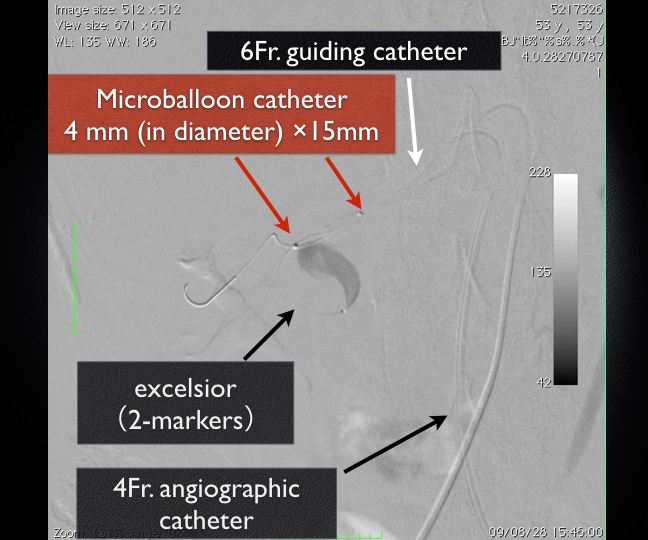
Promoting collaboration between medicine and engineering
In the future, we will continue to use "advanced technology" in the development of medical devices that meet the needs of healthcare. As technology improves, even better products will be created, and by using them for patients, the quality of life (QOL) and lifespan of humans will be extended. Collaboration between the medical and engineering fields and collaboration between industry, government, and academia have been becoming more active, and this trend is expected to continue as a national policy. In addition, medical startups are engaged in a development competition in Silicon Valley and Europe. Until now, the development of medical devices has been led by major manufacturers, but in recent years, medical startups with specific advanced technologies have been actively collaborating with medical institutions to accelerate development. Furthermore, it has become increasingly common for medical startups that have achieved results in this context to receive investments from major medical device manufacturers or to be acquired by them. Promising medical startups have also begun to emerge in Japan. The collaboration between engineers and medical needs is expected to become even more active in the future.
Can compete on quality even as a latecomer
TANAKA PRECIOUS METAL TECHNOLOGIES is a latecomer to the platinum material market for medical implantable devices. Nevertheless, the company is confident in its efforts to penetrate the medical field. Chihiro Nakanishi of the Technology Development Department of the New Business Company at the company is confident that "we can penetrate this market despite being a latecomer because we have the quality of the basic material and the basic advanced micro-processing technology."
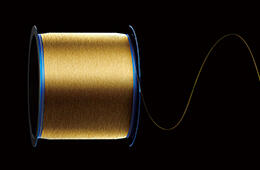
First of all, Features of TANAKA' technology is its ability to produce platinum with a purity of 99.99%, known as "4 nines." After obtaining the raw platinum, the company further refines it at its own factory to produce ingots and check their purity. These highly pure ingots are then rolled to create thin wire, which can then be processed into the company's products. The final product is made by winding a thin wire with a diameter of 30µm or 20µm. If there are any clumps of impurities at this stage, the thin wire will break. The ability to process it into thin wire is the flip side of high purity.
The medical device manufacturer that delivers the product processes it into a tiny coil less than 1mm in diameter, providing a shape and performance that is easy for doctors to use.The medical device manufacturer then creates the final form of the device using this coil and delivers it to the medical facility.
Platinum alloys are an essential material for doctors who perform catheter treatments using X-rays. Platinum, which is difficult for X-rays to penetrate, can be placed inside a catheter, making it highly visible under fluoroscopy, allowing the position of the catheter to be clearly determined to the millimeter. This is the only way for doctors to safely and securely perform advanced treatments, as it ensures that the tip of the catheter and treatment instruments are delivered to the affected area without error. Another feature is that platinum remains stable even when left in the body for long periods of time, is low in toxicity, and is very well-integrated into the body.
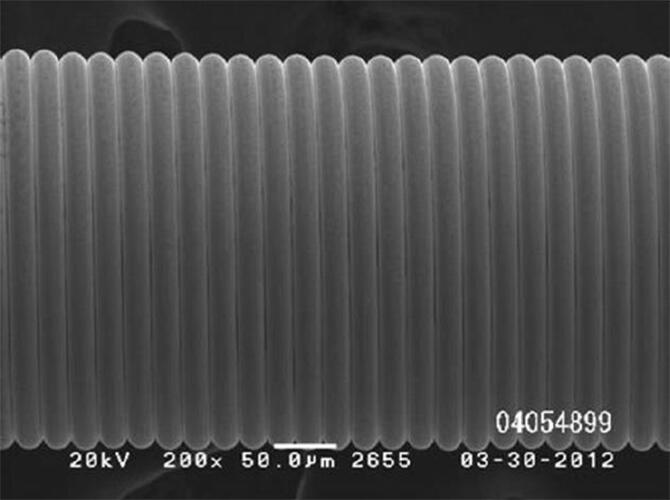
However, just because fine wire is made from pure materials and meets mechanical properties does not mean that it also meets the characteristics of medical devices. Therefore, the level of satisfaction that doctors have with medical devices must be such that they can work with them based on the tactile sensations of their hands. TANAKA is confident in its products with wire that has a mirror-like clean surface. If an ingot has grooves on its surface, these grooves will appear on the surface of the wire when it is drawn. The company states that grooves are not found on its products.
When Professor Mitsunori Hasebe of Tokai University had a desire to create a medical device that was easier to use than those available, TANAKA happened to be considering whether it could apply its precision processing technology for precious metals in the medical field. At that time, a connection arose between Professor Hasebe and an executive of TANAKA, who were classmates in high school and university, and they began to share the idea that they could do something together. In addition, Yoshinori Hiramatsu (Representative of Dream Medical Partners and Visiting Lecturer at the School of Medicine, Tokai University), who has experience at a major medical device manufacturer and is familiar with the approval and regulatory affairs of medical devices, joined the collaboration, leading to an industry-academia partnership between a materials manufacturer and the School of Medicine at a university with clinical settings.
The development of catheter treatment devices is being led by the United States and Europe. Minimally invasive treatments using catheters have now become one of the most advanced treatment methods. For TANAKA, which aims to "contribute to society through precious metals" (Nakanishi), its entry into the medical field may be a business that is in line with the times.
We introduce the potential of precious metals in various fields.
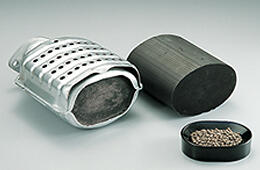
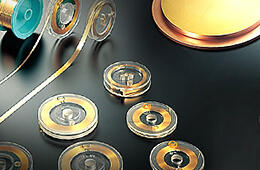
TANAKA handles everything from procurement of bullion to supply of materials, research and development, manufacturing, sales, and recycling.
We offer a full range of services related to precious metals, and by combining them optimally, we provide total solutions tailored to our customers' needs.
How was this article?
If you found this helpful, please share it.


