

Low-Temperature Hydrogen Filter

Source: Electronics For You (EFY)
Date: March 9, 2026
Author: Nidhi AgarwalSenior Technology Journalist at EFY
Link: Low-Temperature Hydrogen Filter
A new hydrogen membrane works at low heat, cleans hydrogen quickly and purely, uses less energy, and helps make future hydrogen technologies easier and greener.
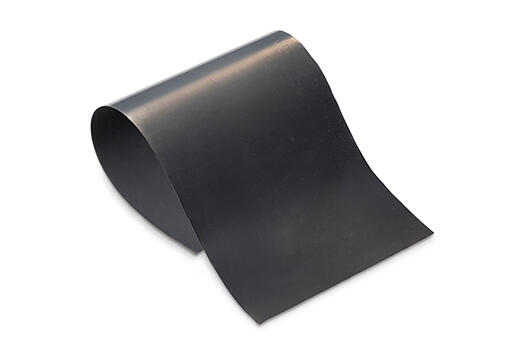
TANAKA PRECIOUS METAL TECHNOLOGIES Co., Ltd. has developed HPM-L111, the world’s first palladium hydrogen-permeable membrane that achieves high hydrogen permeation at low temperatures around 100°C. This innovation enables fast, high-purity hydrogen purification at much lower temperatures than before, reducing energy use and supporting the growth of next-generation hydrogen technologies worldwide.
A palladium hydrogen permeable membrane is a thin membrane made from a palladium alloy that can absorb and allow hydrogen to pass through, and it is widely used to separate and purify high-purity hydrogen. Traditionally, metal membranes require high temperatures—at least 300°C—to achieve effective hydrogen permeation. TANAKA applied a special surface treatment to develop a metal membrane capable of high hydrogen permeation performance at temperatures at or below 100°C.
Expected applications of high-purity hydrogen permeation at low temperatures include hydrogen sensors, fuel cells, and hydrogen removal in vacuum equipment. In sensors, it can improve detection accuracy by isolating interfering gases. In vacuum equipment, it allows hydrogen removal while maintaining an operating environment near room temperature or in a low-temperature range. By eliminating the need for heating to at least 300°C, this technology also reduces energy consumption, contributing toward carbon neutrality.
Application Fields of Low-Temperature Hydrogen Separation Technology
This technology, which allows high-purity hydrogen permeation at low temperatures, is expected to be applied in various fields.
In the field of hydrogen sensors, detection accuracy can be improved by separating other gas components. In vacuum equipment, hydrogen can be removed while maintaining around room temperature or in a low-temperature environment, thereby increasing the flexibility of equipment operation. Furthermore, in the field of fuel cells, this technology is expected to be used as an important technology that supports the supply of high-purity hydrogen.
Contributing to Carbon Neutrality
This technology significantly reduces heating energy, contributing to the achievement of carbon neutrality. The ability to omit heating processes above 300°C, which were traditionally required, not only improves energy efficiency but also reduces equipment load and operational costs.
In addition, the technology for purifying hydrogen is an essential element for realizing a hydrogen society. Through various precious metal materials, including electrode catalysts for fuel cells, catalysts for water electrolysis, Hydrogen Permeable Membranes, reforming catalysts, and PROX catalysts, TANAKA supports the generation, refining, and utilization of hydrogen and provides comprehensive solutions.
As a foundation supporting next-generation hydrogen technologies
This technology, which enables hydrogen refining at high efficiency and low temperatures, is an important breakthrough toward the widespread use of hydrogen energy. By achieving both reduced energy consumption and higher purity, it is expected to increase the design flexibility of hydrogen-related equipment and contribute to the establishment of a more sustainable energy society.
As hydrogen use expands in the future, the importance of these high-performance materials is expected to increase even further. Low-Temperature Hydrogen Permeable Membranes are expected to play an expanding role as one of the core technologies that will support the realization of a hydrogen society.
This article was reprinted from an article published in “Electronics For You (EFY)” on March 09, 2026, with permission from Electronics For You (EFY). This article was translated by TANAKA from Electronics For You (EFY) with their permission.
This article was published on Electronics For You (EFY). Further information can be found here:
Learn more...(Electronics For You)
Related Information

Toward the Realization of a Hydrogen Society
TANAKA offers a variety of fuel cell-related products that use precious metals, including Electrocatalysts for Fuel Cells, which are used in polymer electrolyte fuel cells (PEFC) and have world-class shipment volumes, Electrocatalysts for Water Electrolysis, which are necessary for hydrogen production, Palladium Hydrogen Permeable Membranes, which enables the purification of hydrogen with high purity, Reforming Catalysts, which are used to generate hydrogen from hydrocarbons such as natural gas, and PROX Catalysts, which selectively oxidize and remove carbon monoxide during hydrogen generation.

How was this article?
If you found this helpful, please share it.


