

Insoluble electrodes used in various situations
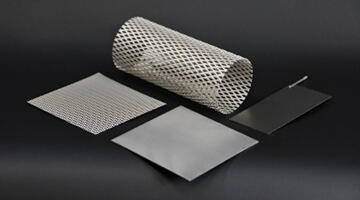
TANAKA's Initiatives on Insoluble Electrodes
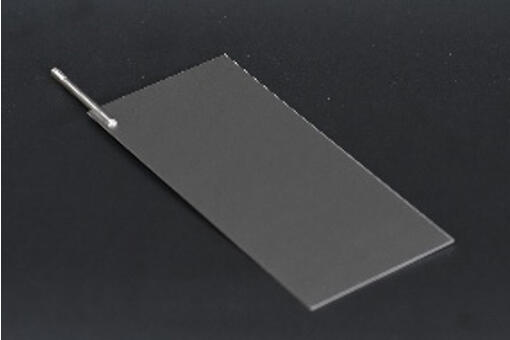
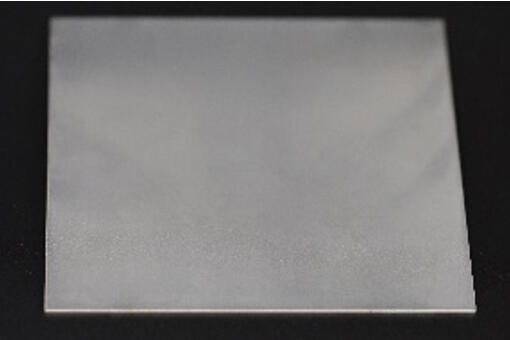
Insoluble electrodes are electrodes used in processes such as electrolysis and electroplating that have the characteristic of not dissolving or having extremely little dissolution even under chemical and electrochemical conditions.
Here, we will provide an overview of TANAKA's technological initiatives and development examples related to insoluble electrodes.
History of Electrodes
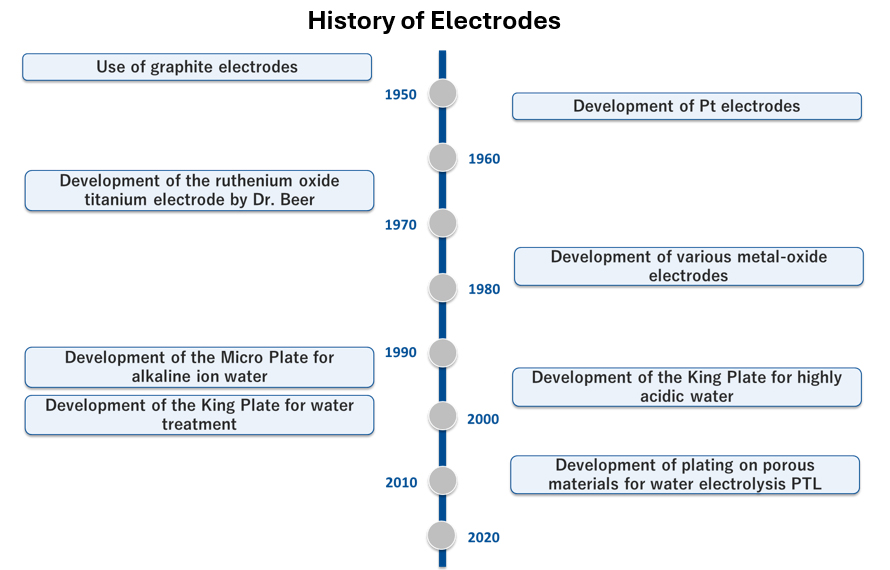
Insoluble electrodes were once mainly made of graphite, but in the 1950s, platinum-coated titanium electrodes were developed for industrial use due to their ① high electrical conductivity, ② excellent resistance to acidic and alkaline electrolytes, and ③ high durability even in oxygen generation environments.
In 1967, ruthenium oxide-based titanium electrodes were developed by Dr. Beer, and the Soda Industry Association of Japan began a full transition from graphite-based electrodes to precious metal-based oxide electrodes.
Subsequently, iridium oxide-based electrodes were further improved, as they have excellent durability in oxygen generation environments, and are now used in various industrial fields.
Since the 2020s, the application fields of insoluble electrodes have been further expanding, and their use is progressing in various fields in addition to the conventional electrolysis and plating applications.

With the advancement of wastewater treatment technologies, insoluble electrodes are being used for the decomposition and removal of pollutants, and particularly rapid market growth is being observed in the Asia-Pacific region.

As an electrode used for generating functional water, it is used for producing alkaline ion water and acidic water, and its application in skincare and sterilization is progressing.
With the spread of renewable energy, its use is expanding in electrical and electrochemical energy storage systems (e.g., hydrogen production through water electrolysis).

There is increasing demand for use as an electrode material with long life and stability in preventing corrosion of structures.
In addition, during the development of electrode materials, technological innovations are being made with the aim of reducing the amount of precious metals used, improving recyclability, and reducing environmental impact, making them an important factor in realizing a sustainable society.
Applications
- Electrode for alkaline ion water generator
- Electrode for cathodic protection
- Wastewater treatment (COD reduction through electrolysis of components in factory wastewater + decolorization of waste liquid)
- For hydrogen generation (ion generation)
- PTL for water electrolysis
- Other Electrode for Industrial Use
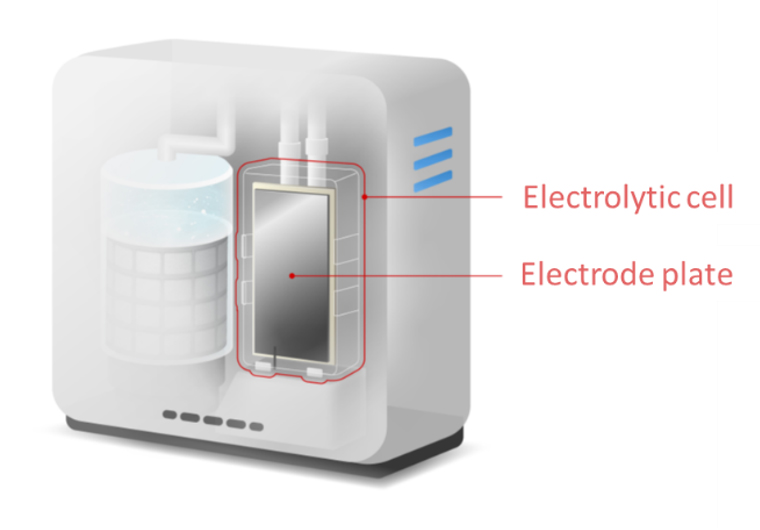
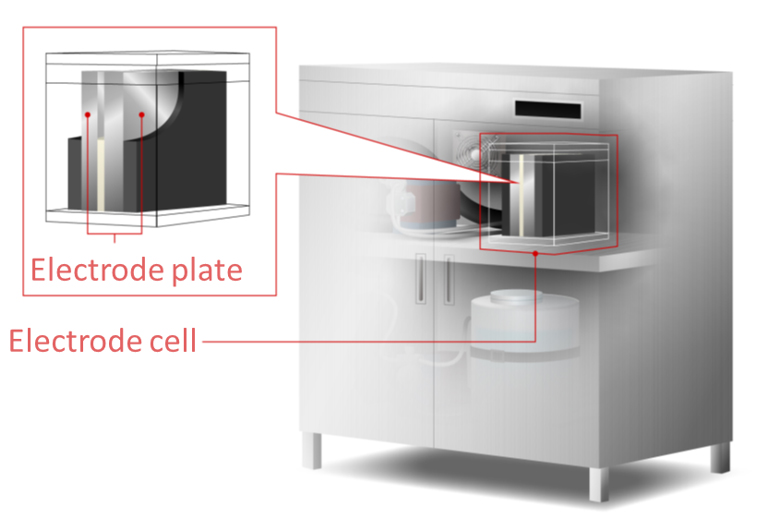
As such, these electrodes have a wide range of applications, and are used in diverse industries including electronic and electrical components, surface treatment, semiconductors, wastewater treatment, environment and energy, chemicals, medical, and beauty (cosmetics). Many other applications are also possible, so please feel free Inquiry if you have any interest or questions regarding TANAKA' insoluble electrodes.
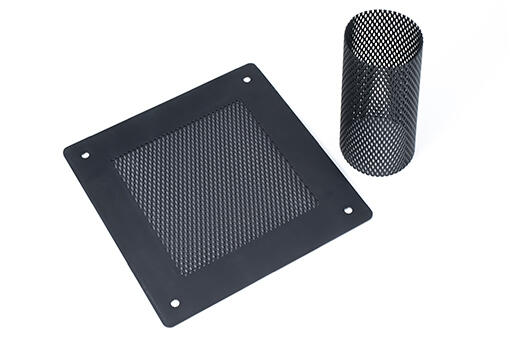
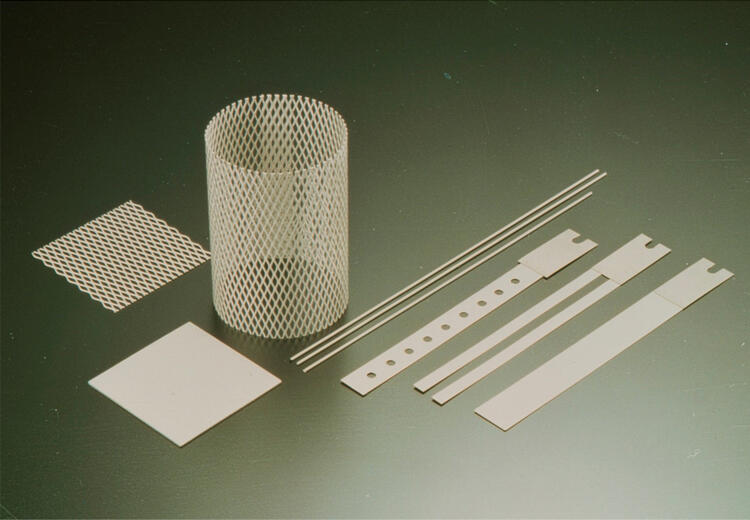
Example of Prototype
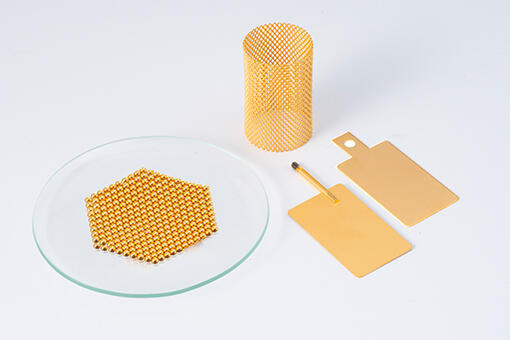
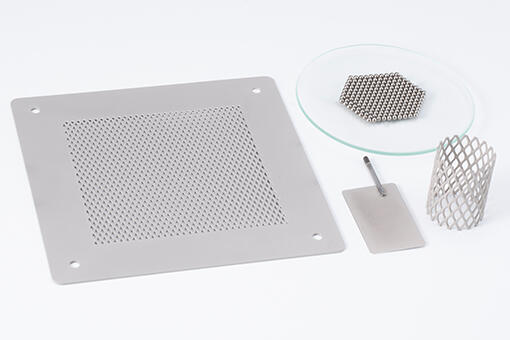
Related Information
First, please make an Inquiry about the product.
For any questions regarding product specifications, pricing, delivery times, etc., please feel free to Inquiry here.