

The evolution of power semiconductors that support the promotion of GX and the spread of EVs. This article examines the current state of material development that underpins this evolution.
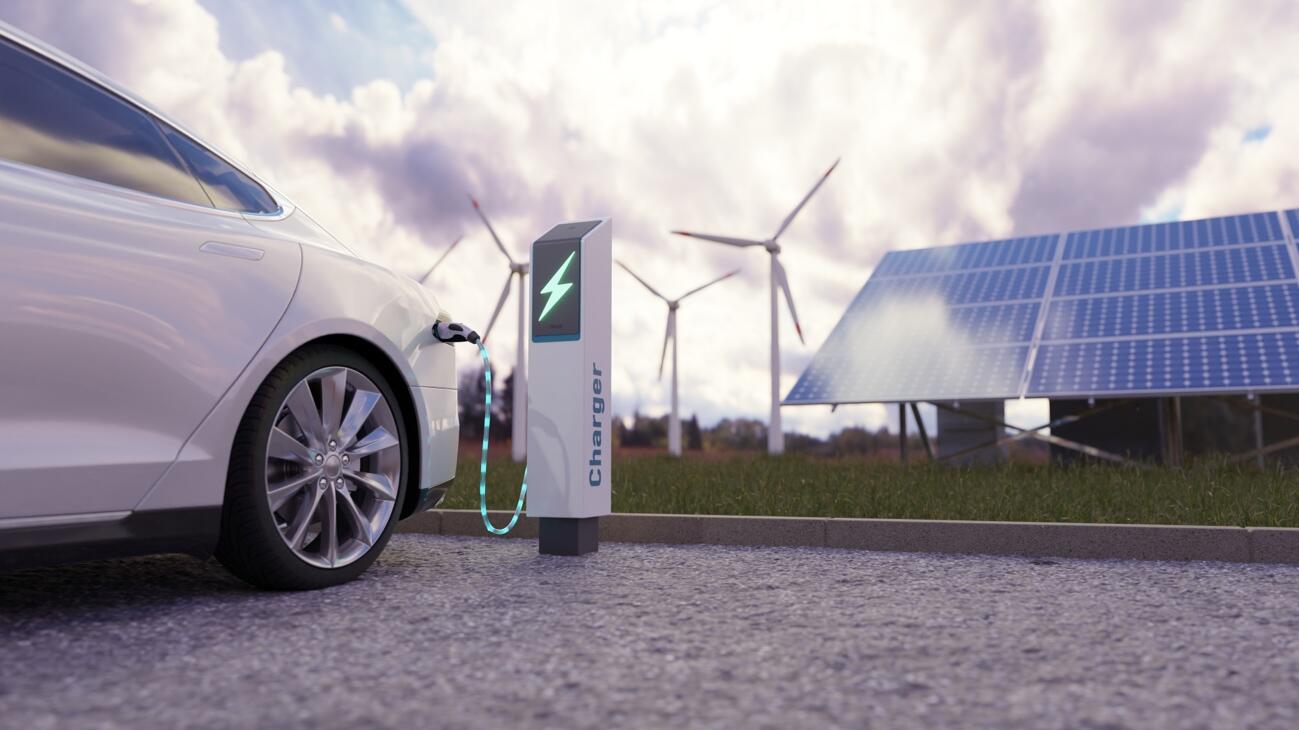
- The two major roles of power semiconductors are power supply control and motor control.
- Power semiconductors to curb power consumption from the spread of generative AI
- Next-Generation Power Semiconductors Using SiC and GaN
- What are the intentions of the U.S., China, and India?
- TANAKA PRECIOUS METAL GROUP—Maximizing the Potential of Precious Metal Materials
“Semiconductors” are often heard in economic news almost every day. Among the various types of semiconductors, “power semiconductors” are attracting attention as a potential key technology for achieving decarbonization. As a semiconductor essential for xEVs (a collective term for electric vehicles) and improving energy efficiency, the development of new materials and technologies is also accelerating.
TANAKA PRECIOUS METAL GROUP's Naoko Abe, General Manager of the Public Relations and Advertising Department, and Akira Minamikawa, a leading analyst in the electronics industry, discussed the trends in technological development.
The two major roles of power semiconductors are power supply control and motor control.

Left: Naoko Abe, General Manager of Public Relations and Advertising, TANAKA PRECIOUS METAL GROUP.
Ms. Naoko Abe (hereinafter, Abe): The semiconductor industry is currently very active, with a growing market size and technological development. Today, I would like to focus on power semiconductors, which are attracting a lot of attention within this industry.
First, could you give an overview of power semiconductors?
Akira Minagawa (hereinafter, Minagawa): Power semiconductors are a type of semiconductor, and their main role is to handle and control electric power.
Other typical semiconductors include microprocessors (CPUs), which perform calculations and are analogous to the human brain, and memory, which serves as storage. There are also other types, such as sensors. Power semiconductors, on the other hand, are used to "control electricity."
They are used in various electronic devices and for motor control.
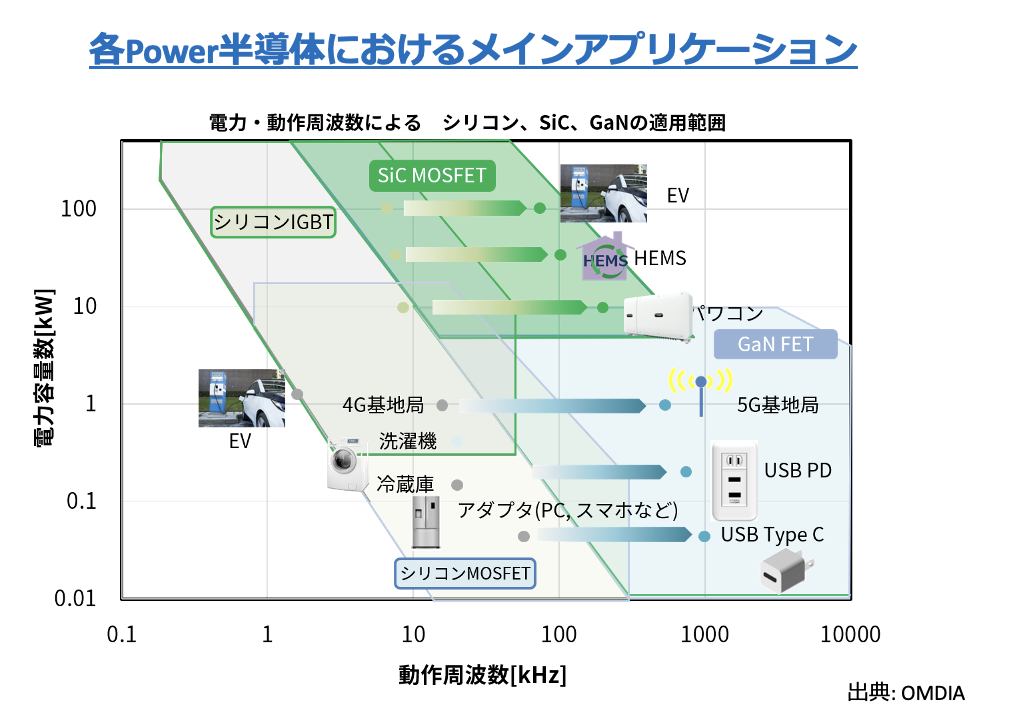
All electronic devices, including computers and smartphones, have a power supply, and the role of power semiconductors is to control them.
Power semiconductors come in a wide variety of types.
Among these, they can be broadly divided into two roles. One is to control power supply, specifically by adjusting voltage and converting direct current to alternating current.
Another role is motor control. Motors are found in all kinds of products, and power semiconductors have the ability to change the rotation speed of these motors.
In the case of cars, speed is changed by changing the motor's rotation speed.
Power semiconductors are used in inverters and motor control for vehicles. Power semiconductors have two main roles: power supply control and motor control.
Next page Power consumption due to the spread of generative AI...
Related Information
Technology Trend and Advanced Packaging Material for Power Device
As energy-saving technologies for smartphones and electronic devices, next-generation mobility such as EVs, base stations, and power control for renewable energy continue to advance, the technological development of power semiconductors will increasingly require higher output and efficiency.
We will introduce cutting-edge materials and packaging technology trends to address issues such as high heat dissipation, high heat resistance, bonding reliability, and miniaturization.




How was this article?
If you found this helpful, please share it.


